
Available Now
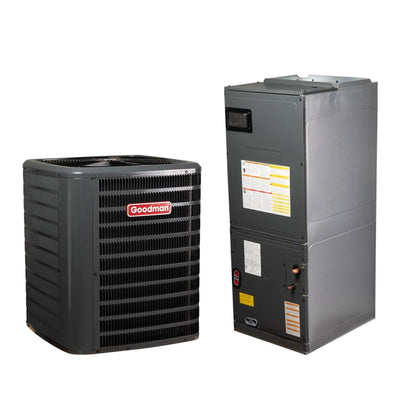
 Ready today at North Port, FL
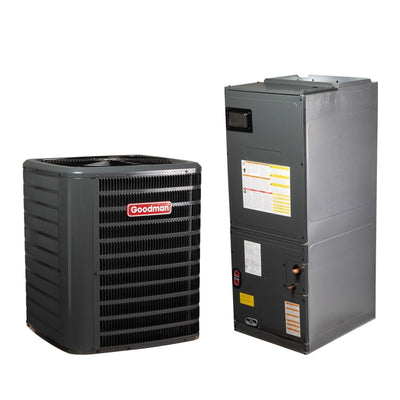 Ready today at North Port, FL
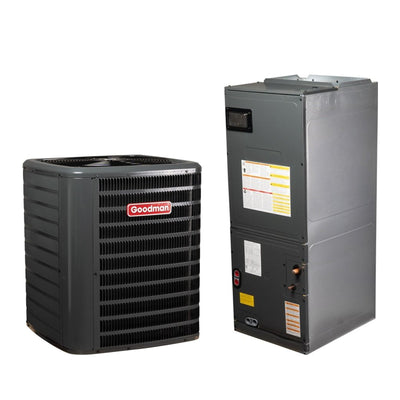 Ready today at North Port, FL
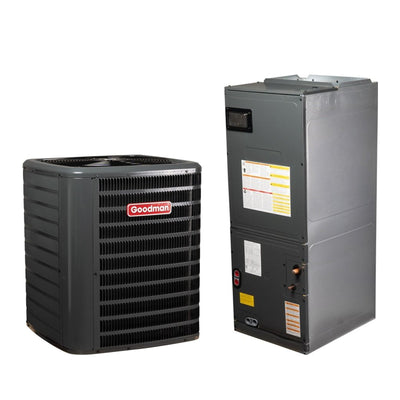 Ready today at North Port, FL
 Ready today at North Port, FL
 Ready today at North Port, FL
Types of Air Conditioning Systems
Different AC systems suit different homes and jobs. Knowing what each one is helps you pick the right setup and the right components to match.
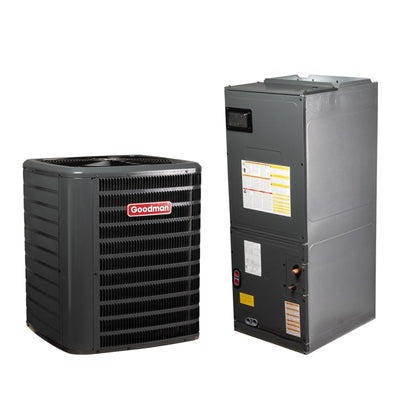
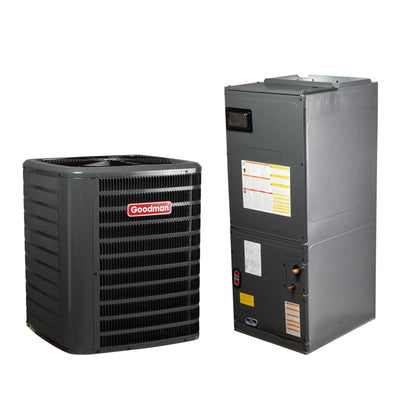
AC and Air Handler Systems
An outdoor air conditioner condenser paired with an indoor air handler. The air handler moves conditioned air through your ductwork. This is the most common central cooling setup, and it can add electric heat with an optional heat kit.
AC and Coil Systems
An outdoor condenser matched to an evaporator coil that mounts on top of, or beside, an existing gas furnace. A good fit when you already have a furnace and just need cooling. Match the coil to the condenser tonnage for rated performance.
Heat Pump and Air Handler Systems
A heat pump both cools in summer and heats in winter by reversing the refrigerant flow, paired with an air handler. In mild Florida winters, a heat pump handles most of your heating with only modest backup heat needed.
Ductless and Apartment Systems
Mini splits and PTAC-style units cool spaces without central ductwork. Ideal for apartments, condos, additions, garages, and single rooms. Zone by zone control means you only cool the space you are using.
What is an Air Conditioning System?
An air conditioning system cools the air inside your home to improve comfort and air quality. It pulls heat out of the indoor air and moves it outside using a refrigeration cycle that runs through the compressor, condenser, evaporator, and refrigerant. A standard AC does not produce heat on its own, though an air handler can add electric heat with an optional heat kit.
How Does an Air Conditioning System Work?
Air conditioners work through a refrigeration cycle. Refrigerant circulates between the indoor and outdoor units, changing between liquid and gas as it is compressed, condensed, expanded, and evaporated. That cycle absorbs heat from your indoor air and releases it outside, and the cooled air is then distributed through your ductwork, or directly from the indoor head in a ductless system. Good airflow and a properly sized system are what keep both temperature and humidity comfortable.
Components of an Air Conditioning System
- Refrigerant is the fluid that carries heat through the system. New systems use R-32.
- Compressor pressurizes and circulates the refrigerant to start the cooling process.
- Condenser coil releases the heat absorbed from indoors out into the outside air.
- Expansion valve meters refrigerant flow into the evaporator. Types include a TXV, an EEV, and a fixed orifice.
- Evaporator coil sits in the air handler or on a furnace and absorbs heat and humidity from the indoor air.
Choosing the Right Air Conditioning System
A few factors matter most when picking a system for your space:
- Size and layout. Square footage, ceiling height, and sun exposure set the tonnage you need. Our Sizing Guide walks you through it.
- Efficiency. A higher SEER2 rating costs more upfront but lowers cooling bills over a long Florida season. The Southeast minimum is 14.3 SEER2.
- Installation. Central systems need a licensed pro. DIY mini splits are built for homeowner installation.